
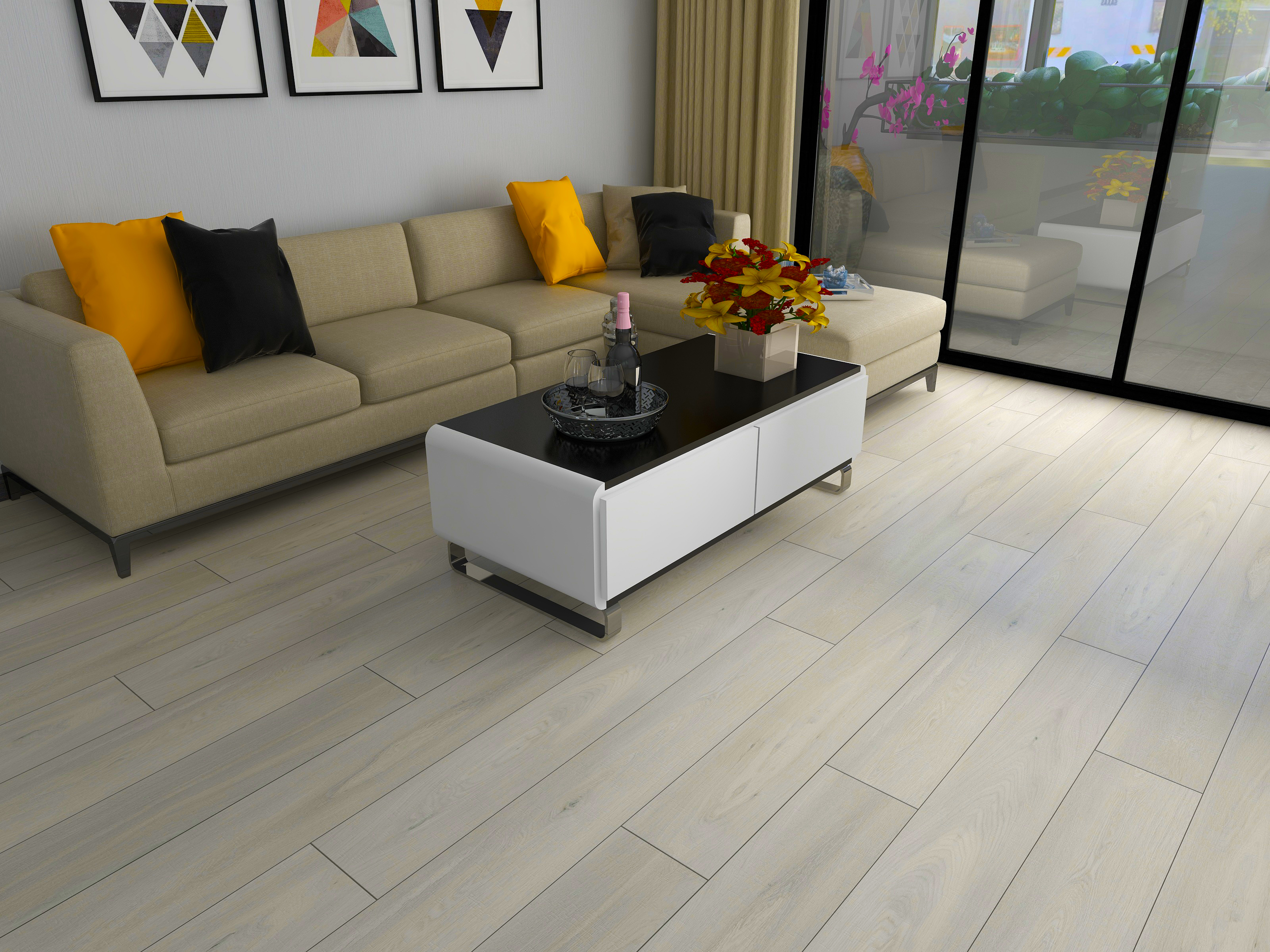
A well-maintained hardwood floor should outlast the house. We've seen installations from the 1920s that still look beautiful after a light sand-and-refinish. We've also seen five-year-old floors that look like they've been through a decade of neglect.
The difference is almost always the same handful of avoidable mistakes. Here's the complete guide.
The daily stuff (takes about 30 seconds)
Sweep or dust-mop regularly. Grit and sand are the primary enemies of any hardwood finish. Each grain of sand acts like sandpaper underfoot, grinding into the surface with every footstep. A soft microfiber mop used 2–3 times per week removes this before it can do damage.
Wipe spills immediately. Standing water on hardwood is never acceptable. Not for five minutes, not while you finish your phone call. A cloth kept near the kitchen takes care of this reflex.
Use felt pads under furniture legs. Especially chairs that move frequently. Replace them when they wear through — a thin pad with grit embedded in it is worse than no pad at all.
The weekly stuff
Damp-mop with the right cleaner. Key word: damp. The mop should be nearly dry — wrung out to the point where you can hold it over a sink and only a few drops fall. Use a hardwood-specific pH-neutral cleaner. Never use:
- Vinegar or vinegar-based products (acidic — degrades finish over time)
- Steam mops (excessive moisture and heat — serious damage risk)
- Murphy's Oil Soap or similar oil-based products (leaves residue that traps grit)
- Generic all-purpose cleaners (wrong pH, wrong chemistry)
If your floor is Portofino engineered hardwood, we recommend Bona Hardwood Floor Cleaner. It's the industry standard for a reason.
What to avoid
Area rugs without breathable pads. A rubber-backed rug traps moisture against the wood and can cause discoloration or — in worse cases — mold. Use pads rated for hardwood: felt-backed, breathable, or specifically labeled "safe for hardwood."
High heels. A stiletto heel applies approximately 1,000 pounds per square inch — enough to dent most wood species. If you entertain frequently, accept that hardwood requires shoes-off or flats-only in those areas, or choose a harder species.
Direct sunlight without protection. UV radiation bleaches and oxidizes wood finish and the wood itself. Over time this creates uneven color — dramatic fade lines where area rugs or furniture blocked the light. UV-blocking window film is inexpensive and extends finish life significantly.
Wet mopping. Ever. No exceptions.
Dragging furniture. Lift and place. Always.
Signs your floor needs attention
Dull appearance despite cleaning. Usually means finish buildup from the wrong products, or the finish is thinning from normal wear. A professional screen-and-recoat (a light buff and fresh coat of finish without sanding down to wood) is the right fix — far less disruptive than full refinishing.
Scratches that catch your fingernail. Surface scratches that don't catch a nail can often be buffed out with the right product. Deeper scratches usually mean it's time to call a professional.
Gaps between boards in winter. Normal for solid hardwood in climates with significant seasonal humidity swings. Gaps should close back up in summer. If they don't, check your humidity control — ideally keep interior humidity between 35–55% year-round.
Cupping (edges higher than center) or crowning (center higher than edges). Both indicate moisture imbalance — either too much moisture below the floor or too little humidity in the room. Address the moisture source first, then assess the floor damage.
Refinishing: when and how often
A properly maintained hardwood floor with a good urethane finish should go 15–20 years before refinishing. Engineered hardwood with a 2mm+ veneer can typically be refinished once or twice.
Signs you need refinishing rather than just recoating:
- Finish is worn through to raw wood in high-traffic areas
- Deep scratches or gouges in the wood itself (not just the finish)
- Staining that has penetrated the wood
- Overall graying or oxidation of the wood surface
For engineered hardwood, consult your manufacturer's guidance before refinishing — the process differs by product and veneer thickness.
The investment frame
A hardwood floor is the most durable finish you can put in a home. Every other flooring material will need to be replaced. A hardwood floor, maintained correctly, simply doesn't — it gets refinished and continues. That's the value proposition, and it's real. Protect it with 30 seconds of daily sweeping and it will pay you back for generations.